


Editor’s note: The following commentary is an excerpt from remarks presented before the Presidential Religious Liberty Commission on March 16, 2026, with minor edits made only for readability and to account for the U.S. Supreme Court’s March 31 decision in Chiles v. Salazar.
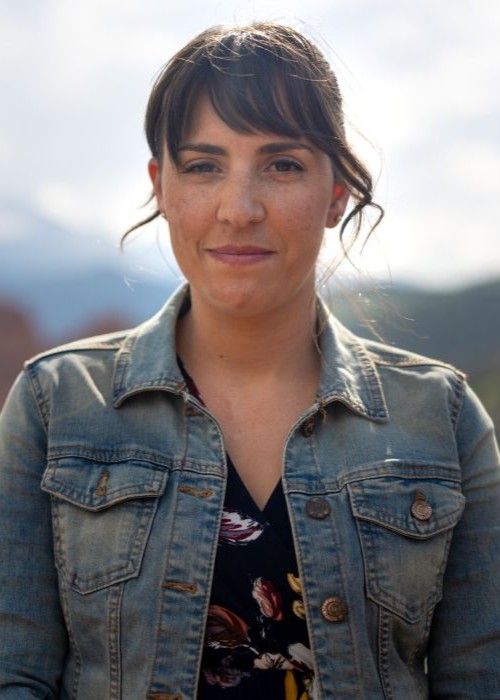
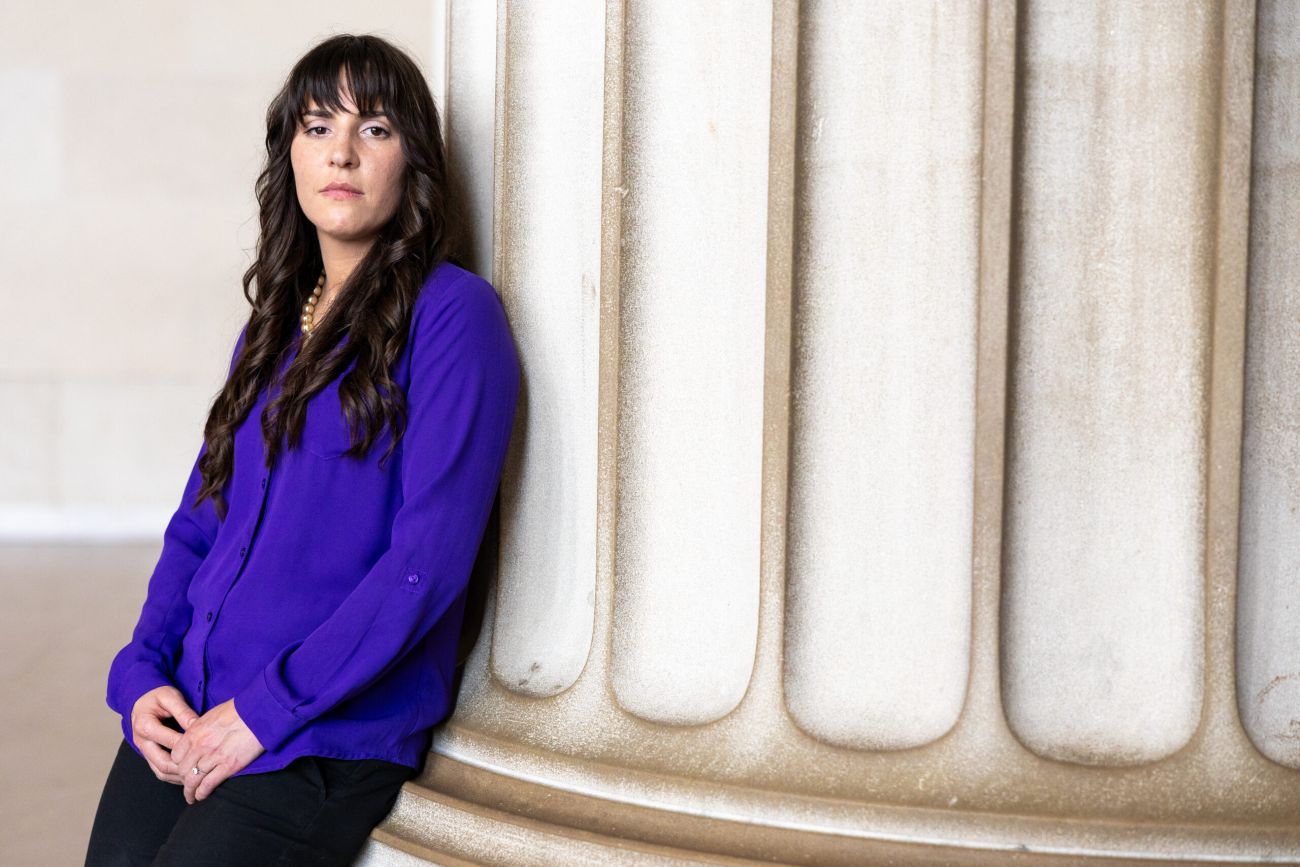
I am a licensed counselor in Colorado. I became a counselor because I know truth’s power to set people free. When people learn to understand themselves, confront pain, and pursue healing through counseling conversations, those tools do not rust or depreciate with time. They can shape the rest of a person’s life. That is the kind of service I felt called to provide.
My own life experiences played a critical role in that calling. During my high school years, there was deep tension in my family, and I longed to learn the skills for meaningful conflict resolution. Around that same time, I began experiencing grand mal seizures—sudden, severe seizures with no known cause. I couldn’t drive, and, for a time, I wasn’t even allowed to be alone in case I passed out. For a 17-year-old, that loss of independence is incredibly difficult.

But that season of suffering changed me. It forced me to slow down, reflect, and ultimately trust God more than I ever had before. Those experiences also shaped my desire to help others navigate suffering and find hope.
In counseling, the client sets the goals, and we, counselors, walk alongside them to help build a path toward their goals. This teamwork requires trust, authenticity, and the freedom to speak openly.
My first counseling job was in a male prison. Later, I worked at a dual-diagnosis adolescent facility—one level down from young people who are actively suicidal. In both places, I saw the depth of human struggle, but I also witnessed the incredible potential for transformation when people have the chance to talk to someone they trust.
What often brings someone into counseling is only the surface issue. Addiction, anxiety, anger, or depression may be the presenting struggle. But those are often the “fruit” of something deeper.
Counseling is about uncovering the root—the fears, wounds, and questions underneath the surface—so real healing can happen. If you only address the fruit and ignore the root, the problems simply grow back in another form.
In 2022, while reviewing state statutes that govern licensed counselors, I discovered Colorado had passed a law dictating which conversations counselors and clients are allowed to have. On issues of gender, if clients have the goal of regaining comfort with their bodies, the government prohibits that conversation. Even worse, Colorado expressly encourages counselors to push minors toward transition, which often includes harmful drugs and surgeries.
I was stunned.
In my practice, questions about identity and sexuality often arise—even when clients come in for entirely different challenges. But under this law, if those questions come up, I would be required to promote the government’s talking points.
I knew I couldn’t stay silent while Colorado violated the First Amendment and put young people at risk, so I contacted Alliance Defending Freedom, and we filed a lawsuit challenging Colorado’s counseling censorship law—because when the law rejects truth and censors conversations, there is always a human cost.
For me, that cost was immediate. I lost both of the jobs I had at the time. I received death threats and complaints against my license from people who have never even met me.
But the deeper cost falls on the young people affected by these laws. And Colorado families aren’t the only ones impacted. Twenty-three states and over 100 local governments have adopted similar counseling censorship laws. These laws insert the government into private counseling conversations and attempt to control a client’s goals.
And the stakes are incredibly high.
Research suggests that roughly 90% of children experiencing gender-related distress will regain comfort with their sex if allowed to work through their feelings without being pushed to transition. But an even higher number will become life-long patients with irreversible consequences if pushed down the path of transition.

That is why medical authorities around the world are approaching transition procedures with caution. One recent case found a psychologist and surgeon liable for $2 million in malpractice for recommending and performing a double mastectomy on a teenage girl without examining the roots of her distress.
The First Amendment is not an abstract principle in a counseling office; it ensures open dialogue and the pursuit of truth. But Colorado’s law silences the very conversations that allow counselors to explore the roots of a young person’s pain.
My case went before the U.S. Supreme Court, and I’m grateful that the court reaffirmed this week in Chiles v. Salazar that the government can never censor conversations simply because it disagrees with a client’s personal goals or a viewpoint expressed.
Young people wrestling with identity deserve counselors who are free to speak, ask questions, listen with compassion, and walk alongside them in their search for hope and restoration.